
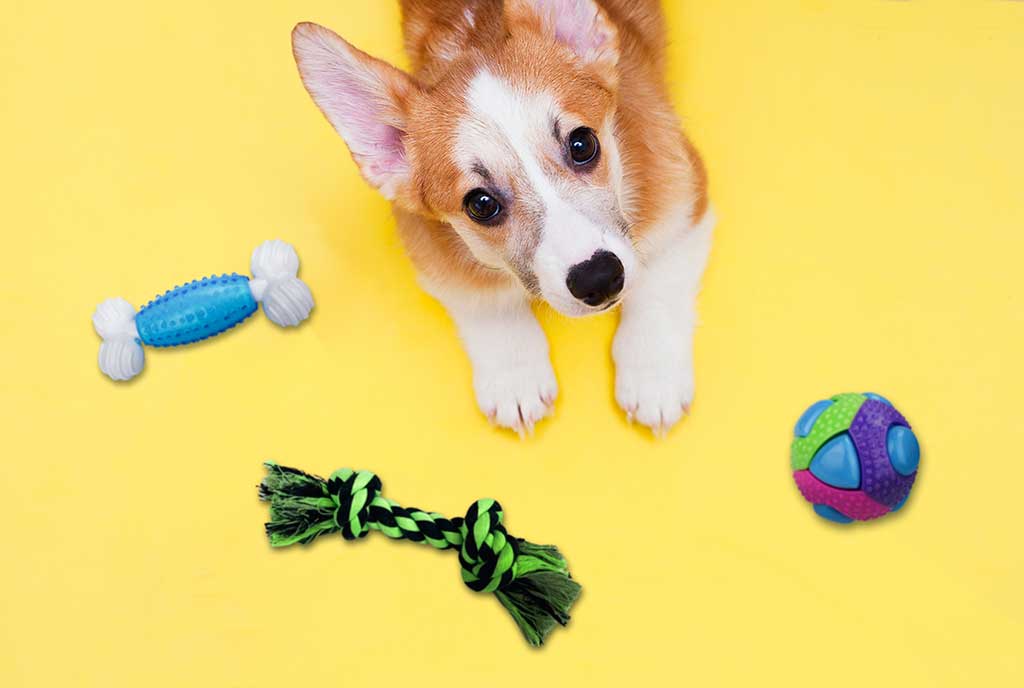
Dog Toys for Small Dogs: Which Ones Truly Keep Them Engaged?

Dog Toys for Small Dogs: Which Ones Truly Keep Them Engaged?

Small dog toys support safe play, mental stimulation, and comfort. Explore size, material, and toy types designed for small breeds.
Small dogs require frequent stimulation despite their size. Limited exercise outlets increase restlessness indoors. Toys provide controlled activity without overstimulation. Compact breeds often prefer shorter play cycles. Proper toys extend those moments through mental challenge. Interactive designs improve attention span and problem solving. Chew-focused options reduce stress through repetitive motion. Emotional satisfaction improves when play feels rewarding. Regular engagement also reduces excessive barking. Dogs become calmer during rest periods. Owners often notice better sleep patterns. Purposeful engagement strengthens bonds and supports long-term behavioral balance.
Small Dog Toys and Daily Well-Being
Small dog toys play an important role in physical activity and emotional balance. Dogs under twenty pounds often react strongly to texture, sound, and resistance. Because of that sensitivity, toy selection affects mood and behavior. Poorly matched toys create frustration or disinterest. Over time, that mismatch may lead to anxiety or destructive habits. Proper toys encourage movement without strain. Gentle resistance protects teeth and gums. Consistent interaction also builds trust between dogs and owners. Small breeds still carry strong instincts for chewing and chasing. Thoughtful toy choices allow those instincts to express safely. Structured play improves focus and confidence. Well-designed small dog toys therefore support stable daily routines and healthier emotional responses.
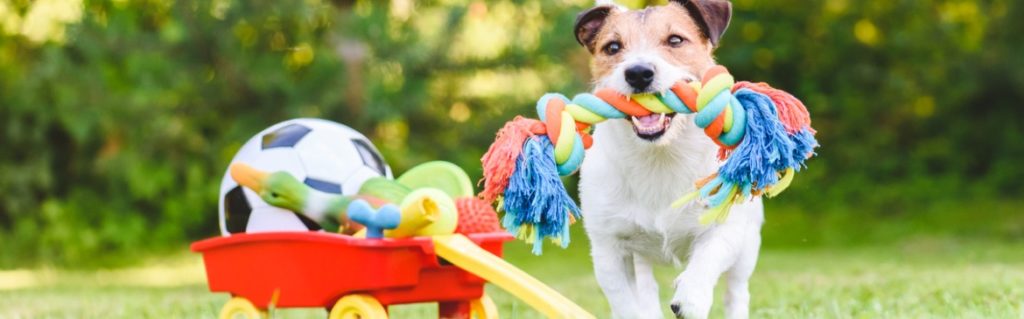
Why Small Dogs Need Purpose-Built Toys
Small dogs experience play differently from large breeds due to body structure. Short legs and compact jaws change force distribution. Lightweight toys reduce neck and joint pressure. Texture matters more because small mouths detect variation faster. Many owners select oversized toys unintentionally. That choice limits interaction and control. Purpose-built small dog toys improve grip and responsiveness. Play sessions last longer and feel more natural. Proper sizing lowers choking risks. Balanced stimulation reduces destructive habits. Interactive toys also improve cognitive response. Over time, these toys support confidence and curiosity. Purpose-built designs therefore meet safety and enrichment needs together.
Common Types of Small Dog Toys
Different toy categories address specific play behaviors and emotional needs. Each type serves a unique purpose within daily routines.
- Chew toys support dental health and stress relief
- Plush toys offer comfort and gentle interaction
- Interactive toys encourage problem solving
- Fetch toys stimulate movement and coordination
- Squeaky toys trigger instinctive engagement

Common Types of Small Dog Toys Explained
Chew toys reduce plaque buildup and redirect destructive chewing. Plush toys comfort dogs during rest or isolation. Interactive toys slow feeding and extend focus time. Fetch toys support joint-safe movement indoors or outdoors. Squeaky toys activate prey response without aggression. Balanced rotation between categories prevents boredom. Owners should observe reactions during play. Some dogs prefer texture, while others favor sound or movement. Matching toy type with temperament creates better engagement. This approach improves emotional balance and reduces overstimulation.

Safety Considerations When Choosing Small Dog Toys
Safety remains the top priority when selecting small dog toys. Materials must resist tearing without becoming rigid. Soft rubber and reinforced fabric reduce injury risks. Avoid sharp seams, loose strings, or detachable eyes. Size must exceed the dog’s throat width. Lightweight design prevents dental stress during chewing. Toys should remain intact under moderate pressure. Supervised play helps identify wear early. Regular inspection prevents accidental ingestion. Dogs with aggressive chewing require denser materials.
Puppies need softer textures for developing teeth. Safety-focused choices extend toy lifespan while protecting overall health.

Material Quality and Durability
Material quality directly affects durability and safety outcomes. Natural rubber offers flexibility and resilience. Food-grade silicone provides gentle resistance. Cotton rope supports tug play with minimal abrasion. Polyester blends increase plush toy strength. Avoid brittle plastics or thin latex. High-quality stitching prevents seam separation. Durable materials also reduce replacement frequency. That consistency supports routine-based play. Dogs build familiarity with trusted textures. Reliable materials therefore improve both safety and engagement.

Recommended Small Dog Toy Sizes
Proper sizing ensures safe interaction and full engagement. Small dogs require toys scaled to jaw width and bite force.
| Toy Type | Recommended Size | Ideal Use |
|---|---|---|
| Chew Toy | 3–4 inches | Dental support |
| Plush Toy | 4–6 inches | Comfort play |
| Fetch Ball | 2–2.5 inches | Indoor activity |
| Interactive Puzzle | Small format | Mental stimulation |
Recommended Small Dog Toy Sizes Explained
Correct sizing prevents choking and improves grip control. Oversized toys frustrate small dogs during play. Undersized toys increase ingestion risk. Balanced proportions allow natural movement and chewing patterns. Proper size also improves accuracy during fetch. Indoor play becomes safer and more controlled. Size-appropriate toys therefore enhance both enjoyment and safety.
How Play Supports Physical and Mental Health
Play strengthens muscles, joints, and coordination. Short bursts of activity suit small dog endurance levels. Mental stimulation reduces anxiety and boredom. Interactive toys improve focus and memory response. Chewing releases calming hormones. Structured play also reinforces training habits. Dogs associate toys with positive interaction. That association builds trust and confidence. Consistent play reduces destructive behavior. Emotional stability improves over time. Healthy play therefore supports both body and mind.


Introducing New Toys Effectively
New toys should enter rotation gradually. Sudden overload reduces interest. Introduce one item at a time. Observe engagement patterns closely. Praise reinforces positive interaction. Short sessions prevent overstimulation. Rotating toys weekly renews excitement. Remove damaged items promptly. Clean toys regularly to maintain scent familiarity. Structured introduction builds long-term interest. This method keeps play fresh and meaningful.
Cleaning and Maintenance Practices
Clean toys prevent bacteria buildup and odor retention. Wash fabric toys weekly using mild detergent. Rinse rubber toys thoroughly with warm water. Air drying preserves material integrity. Avoid harsh chemicals or heat exposure. Inspect toys after cleaning. Replace items showing cracks or tears. Consistent maintenance extends usability. Clean toys support oral and digestive health. Maintenance therefore protects long-term safety.
Choosing Toys Based on Personality
Each small dog shows unique play preferences. Energetic dogs prefer movement-based toys. Calm dogs enjoy plush comfort items. Curious dogs respond well to puzzles. Chewers need durable resistance. Timid dogs favor soft textures. Matching toys to personality improves engagement. Observation helps refine choices. Personality-based selection prevents frustration. This approach strengthens emotional well-being.
Environmental Benefits of Thoughtful Toy Selection
Durable toys reduce waste and frequent replacement. High-quality materials last longer. Fewer discarded toys lower environmental impact. Recyclable materials support sustainability goals. Responsible sourcing benefits both pets and ecosystems. Long-lasting toys also reduce long-term costs. Thoughtful selection supports ethical consumption habits.
Small dog toys influence daily behavior, emotional stability, and physical health. Purpose-built designs improve safety and engagement. Material quality and size determine effectiveness. Structured play builds routine and trust. Proper maintenance extends toy lifespan. Personality-based choices enhance satisfaction. Consistent rotation prevents boredom. Responsible selection supports wellness and sustainability. Small dog toys therefore represent more than entertainment. They support balanced, healthy living.
Mauris torquent mi eget et amet phasellus eget ad ullamcorper mi a fermentum vel a a nunc consectetur enim rutrum. Aliquam vestibulum nulla condimentum platea accumsan sed mi montes adipiscing eu bibendum ante adipiscing gravida per consequat gravida tristique litora nisi condimentum lobortis elementum. Ullamcorper ante fermentum massa a dolor gravida parturient id a adipiscing neque rhoncus quisque a ullamcorper tempor. Consectetur scelerisque ullamcorper arcu est suspendisse eu rhoncus nibh.
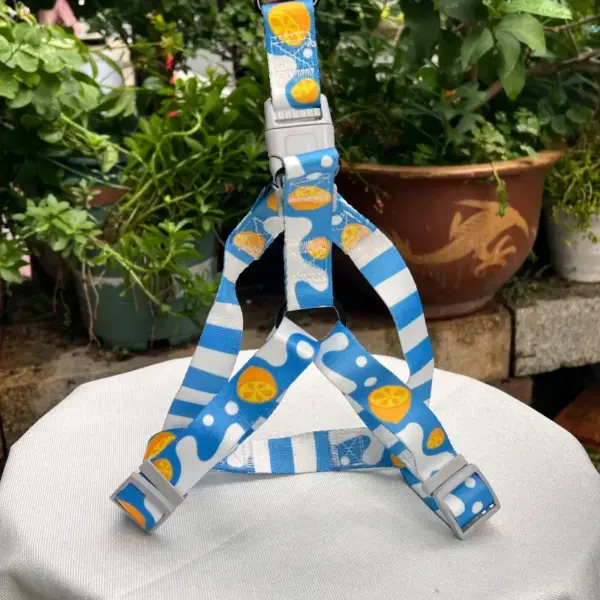

Blue Dog Harness
Original price was: $30.80.$25.80Current price is: $25.80.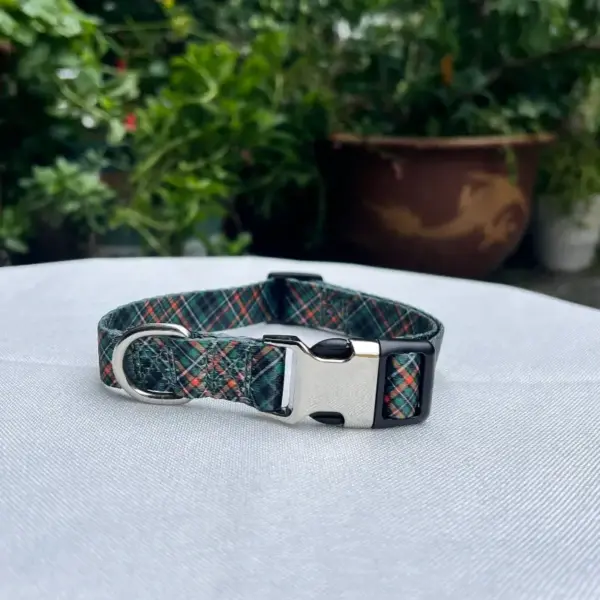
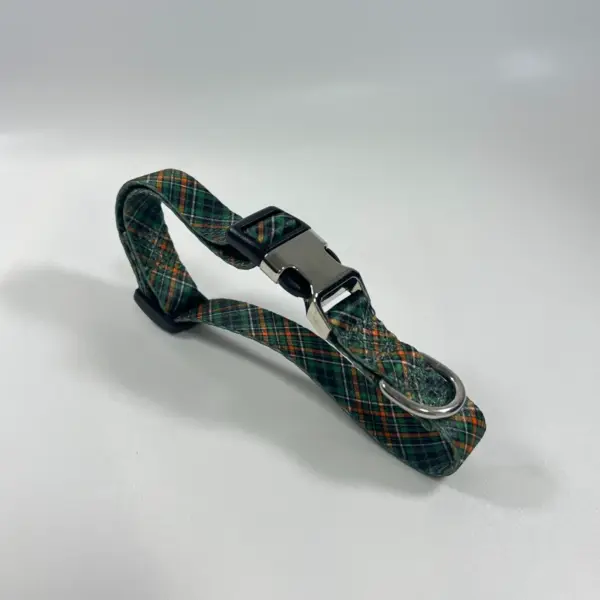
Christmas Dog Collar
Price range: $18.90 through $29.80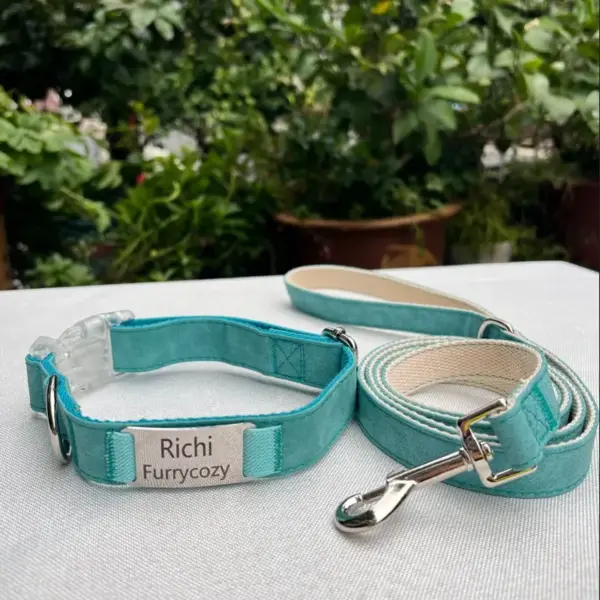
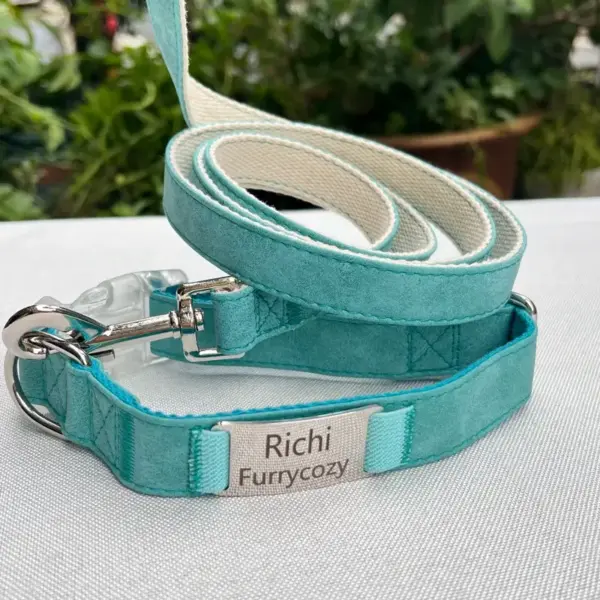
Collar and Leash Set for Dogs
Price range: $37.80 through $46.95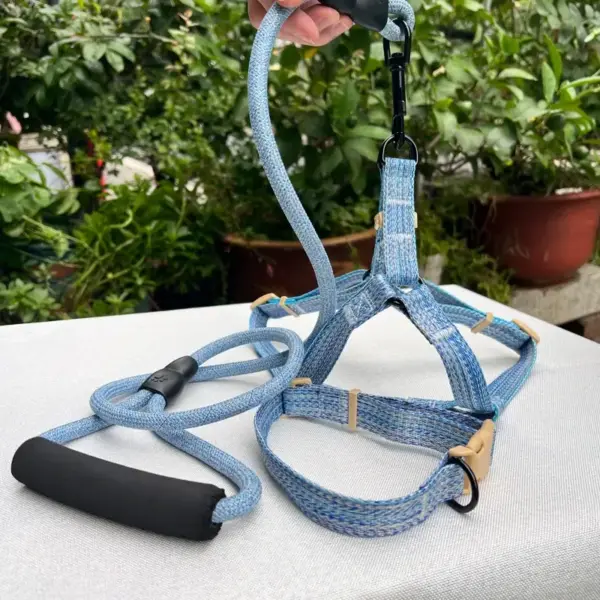
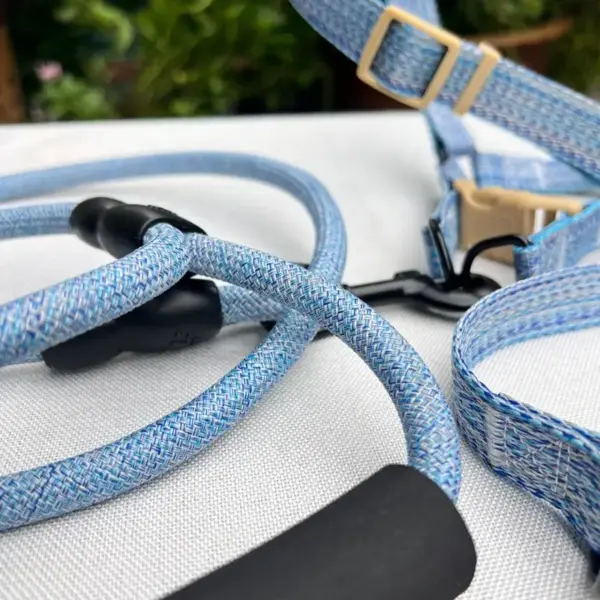
Collar Leash Set for Dogs
Original price was: $50.60.$40.60Current price is: $40.60.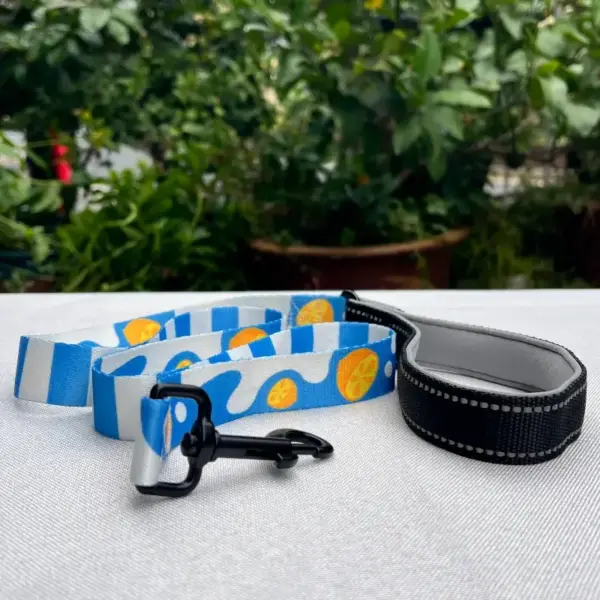
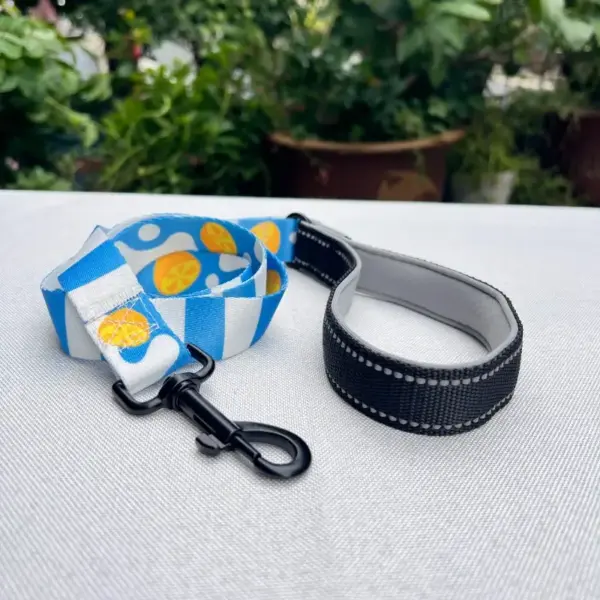
Comfortable Dog Leash
Original price was: $27.50.$22.50Current price is: $22.50.What makes small dog toys different from standard dog toys?
Small dog toys differ through size, weight, and material density. Compact breeds apply force differently during chewing and play. Larger toys strain jaws and reduce control. Purpose-built designs improve grip and safety. Lightweight materials reduce neck stress. Texture sensitivity also plays a bigger role. Small dogs react strongly to surface feel and sound. Proper toys match those sensory needs. This alignment improves engagement duration. Safety risks also decrease significantly. Well-designed small dog toys therefore support both enjoyment and long-term health.
How often should small dog toys be replaced?
Replacement depends on material wear and chewing intensity. Inspect toys weekly for damage. Replace items showing cracks, loose seams, or sharp edges. Aggressive chewers require more frequent replacement. Plush toys wear faster than rubber options. Regular rotation extends lifespan. Clean toys last longer and remain appealing. Safety should guide replacement timing. Damaged toys increase ingestion risk. Timely replacement protects both physical and digestive health.
Can small dog toys help reduce anxiety or boredom?
Small dog toys provide structured mental stimulation. Interactive toys engage problem-solving instincts. Chew toys release calming responses. Consistent play builds emotional stability. Toys also reduce isolation stress. Rotation prevents habituation. Mental engagement lowers destructive behaviors. Calm play improves rest quality. Proper toy selection therefore supports emotional balance. Small dog toys play a key role in anxiety management.






RECENT COMMENTS